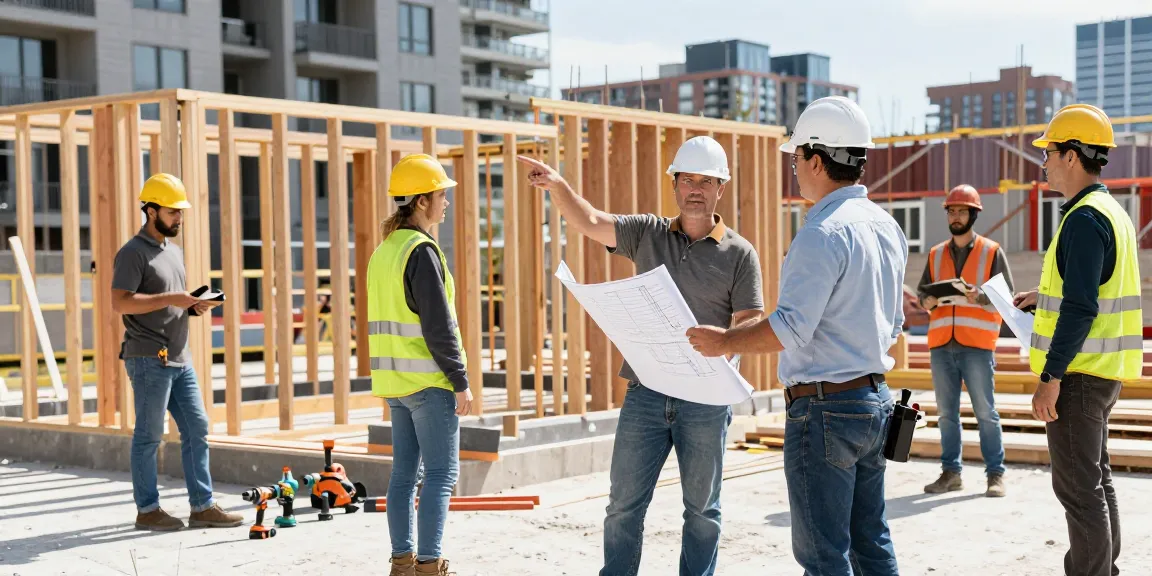
The Role of General Contractors in Toronto’s Construction Landscape
In the bustling city of Toronto, where urban development is on the rise, the role of a general contractor is more crucial than ever. General contractors are the backbone of construction projects, managing everything from residential renovations to large commercial builds. Their expertise not only ensures that projects are executed on time and within budget, but also that they adhere to safety regulations and quality standards. As the demand for skilled general contractors increases, understanding their significance in Toronto’s construction landscape becomes essential.
When exploring options, General contractor toronto provides comprehensive insights into local contractors available for various construction needs.
What is a General Contractor?
A general contractor (GC) is a professional responsible for overseeing construction projects. They coordinate and manage various subcontractors, suppliers, and workers, ensuring each aspect of the project progresses smoothly. The GC's duties include scheduling, budgeting, hiring subcontractors, and keeping the project within the scope of work defined by the client. In Toronto, where building codes and regulations are stringent, the role of a general contractor becomes even more vital to navigate these complexities.
Importance of General Contractors in Residential Projects
Residential projects often involve significant financial and emotional investments for homeowners. A general contractor acts as the project's leader, guiding homeowners through the renovation or construction process. They ensure that the project aligns with the homeowner's vision while also adhering to safety standards and local regulations.
- Project Management: GCs streamline the construction process, managing timelines and budgets to ensure projects are completed efficiently.
- Expertise: They provide valuable insights on materials and construction techniques, helping homeowners make informed decisions.
- Quality Assurance: General contractors oversee the work of subcontractors, ensuring that all work meets quality standards.
Key Skills Essential for General Contractors in 2026
As the construction landscape evolves, so too must the skills of general contractors. In 2026, the following skills are essential for success:
- Project Management Software Proficiency: Familiarity with project management tools can improve efficiency and communication.
- Knowledge of Sustainable Practices: Understanding green building practices is increasingly important in today's environmentally conscious market.
- Strong Communication Skills: The ability to communicate clearly with clients and subcontractors ensures that everyone is on the same page.
- Adaptability: With construction technology rapidly changing, GCs must be adaptable to new methods and tools.
Current Trends Impacting General Contractors in Toronto
Emerging Technologies in Construction
The integration of technology in construction has transformed how general contractors operate. From Building Information Modeling (BIM) to virtual reality, these tools allow GCs to visualize projects, manage resources effectively, and reduce errors. For instance, BIM technology enables contractors to create precise digital representations of buildings, facilitating better planning and collaboration among stakeholders.
Sustainable Building Practices
As sustainability takes center stage in construction, general contractors in Toronto must adapt by adopting energy-efficient practices and materials. This trend not only appeals to environmentally-conscious homeowners but also often results in long-term cost savings. GCs are increasingly being asked to implement sustainable techniques, such as using recycled materials and designing energy-efficient homes.
The Rise of Smart Homes and Their Impact
With the increasing popularity of smart home technology, general contractors need to be well-versed in installing and integrating these systems. From smart thermostats to advanced security systems, knowledge of home automation technology is crucial. This trend is reshaping the way GCs approach residential projects, ensuring that homes are both functional and technologically advanced.
Challenges Faced by General Contractors in Toronto
Rising Material Costs and Supply Chain Issues
One of the significant challenges facing general contractors today is the rising cost of materials. The COVID-19 pandemic has disrupted supply chains, leading to delays and increased prices for essential construction materials. This situation has forced contractors to rethink their sourcing strategies and find innovative ways to manage costs.
Labor Shortages in the Construction Industry
The construction industry is experiencing a labor shortage, which poses a challenge for general contractors striving to complete projects on time. Skilled labor is in high demand, and contractors must find ways to attract and retain talent, often by offering competitive wages and fostering a supportive work environment.
Meeting Regulatory Standards and Building Codes
Toronto's stringent building codes and regulations require general contractors to stay updated on the latest laws and standards. This vigilance is crucial to avoid penalties and ensure the safety of construction projects. GCs must navigate the complexities of permits and inspections, which can be time-consuming but are essential for compliance.
Best Practices for Hiring a General Contractor
How to Evaluate a General Contractor’s Credentials?
When hiring a general contractor, evaluating their credentials is vital. Homeowners should look for licenses, insurance, and relevant experience. Checking references and past projects can provide insight into a contractor's capabilities and reliability.
Understanding Estimates and Contracts
General contractors should provide detailed estimates that outline the scope of work, including timelines and costs. Homeowners should ensure they understand the contract's terms, including payment schedules and what happens in case of delays or changes in the project.
The Importance of Reviews and Testimonials
Reading reviews and testimonials from previous clients can give homeowners confidence in their choice of a general contractor. Online platforms, such as Houzz and HomeStars, are great resources for finding reputable contractors and understanding their work ethic and quality.
Future-Proofing Your Construction Projects
Adaptability to Changing Market Needs
The construction market is continually evolving, and general contractors must demonstrate adaptability to remain competitive. This may involve embracing new technologies, adjusting to market demand, and being open to innovative building practices.
Investing in Professional Development
General contractors should invest in their professional development to stay ahead. Attending workshops, obtaining certifications, and participating in industry associations can enhance their skills and knowledge, ultimately benefiting their clients.
Networking and Building Relationships in the Industry
Building strong relationships within the construction industry can open doors for general contractors. Networking with suppliers, subcontractors, and other professionals can lead to potential partnerships, referrals, and collaborative opportunities for future projects.
What are the average costs for hiring a general contractor in Toronto?
The cost of hiring a general contractor in Toronto varies widely based on the project's scope and complexity. On average, homeowners can expect to pay around $13,614 for their projects, though costs can range from $100 to $50,000 depending on the specifics of the job.
How do I find reputable general contractors in my area?
To find reputable general contractors, homeowners can start by asking for recommendations from friends and family, consulting online reviews, or utilizing platforms that specialize in contractor listings. Ensuring that the candidates have the necessary licenses and insurance is also key.
What should I include in a contract with my contractor?
A comprehensive contract should include the scope of work, payment terms, timelines, and clauses outlining what happens in the event of delays or changes. Clearly defined expectations protect both parties and help prevent misunderstandings.
How can I ensure my renovation project stays on schedule?
To keep a renovation project on schedule, clear communication with the general contractor is essential. Regular updates, a well-defined timeline, and prompt decision-making from the homeowner can significantly reduce the risk of delays.
What are current trends in home renovation for 2026?
Current trends in home renovation for 2026 include a focus on sustainability, smart home technology, and open-concept designs. Homeowners are increasingly looking for features that enhance energy efficiency and incorporate modern technology into their living spaces.