Understanding the Soda Pop Market in 2026
The soda pop industry is undergoing transformative changes, influenced by evolving consumer preferences, health trends, and innovative marketing strategies. As we step into 2026, it is imperative for brands to adapt to these shifts. This article will explore current trends shaping the soda pop market, providing insights that can help you effectively position your brand in an increasingly competitive landscape. When exploring options, Soda pop brands need to stay attuned to the preferences of their target audiences and the challenges they face.
Current Trends in Beverage Consumption
In recent years, there has been a significant shift in beverage consumption patterns, particularly among younger demographics. Health-conscious choices have taken precedence, leading to a decline in the overall consumption of sugary sodas. Consumers are gravitating towards naturally flavored beverages, sparkling waters, and low-calorie alternatives that align with their wellness goals. Additionally, sustainability has emerged as a critical factor, with brands increasingly focused on eco-friendly packaging and sourcing practices.
Demographic Shifts and Preferences
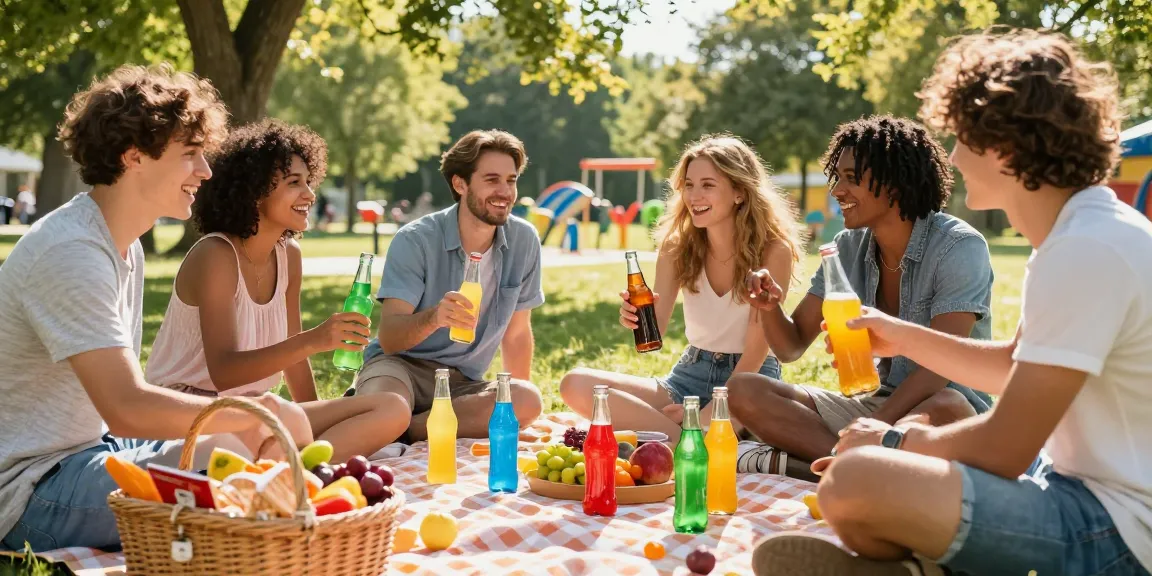
As millennial and Gen Z consumers dominate the market, their preferences reflect a desire for authenticity and transparency. They are looking for brands that resonate with their values and lifestyles. This demographic shift has also led to an increased interest in craft sodas and unique flavor profiles that cater to adventurous taste buds. Brands must identify and understand these shifts to tailor their products and marketing strategies accordingly.
Health Consciousness and Soda Alternatives
There's a growing trend toward health consciousness among consumers, which has prompted soda pop brands to innovate. The rise of functional beverages—those fortified with vitamins, minerals, and probiotics—has created new opportunities within the soda market. Brands are leveraging this trend by developing products that not only taste good but also provide health benefits. For instance, sodas infused with adaptogens or other natural ingredients are gaining traction.
Crafting a Unique Brand Identity for Your Soda Pop
Creating a distinct brand identity is essential for standing out in the crowded soda pop market. A compelling brand story, eye-catching packaging, and effective use of social media are critical components of this process. Brands that successfully weave their story into every aspect of their marketing will foster deeper connections with consumers.
Developing a Compelling Brand Story
Every successful soda pop brand has a story behind it. Whether it’s a family recipe passed down through generations or a passion for unique flavors, your brand's narrative can set you apart. Sharing your journey, mission, and values helps consumers relate to your brand on a personal level, increasing brand loyalty.
Designing Eye-Catching Packaging
In a retail setting, your packaging is often the first point of contact with potential customers. Eye-catching designs that reflect the essence of your brand can attract attention and drive sales. Consider using vibrant colors, unique bottle shapes, and eco-friendly materials to appeal to environmentally conscious consumers.
Leveraging Social Media for Brand Awareness
Social media is a powerful tool for building brand awareness and engaging with your audience. Utilize platforms like Instagram and TikTok to showcase your products creatively. Engaging content, such as behind-the-scenes footage or user-generated content, can help cultivate a community around your brand.
Effective Marketing Strategies for Soda Pop Brands
To thrive in the competitive soda pop industry, brands must employ effective marketing strategies that resonate with their audience. This includes influencer partnerships, immersive in-person experiences, and savvy digital advertising.
Influencer Partnerships and Collaborations
Collaborating with influencers who align with your brand values can effectively reach new audience segments. Influencers can create authentic content that showcases your products organically, enhancing credibility and trust among their followers.
In-Person Events and Experiential Marketing
Experiential marketing is an excellent way to create memorable interactions with your brand. Host tastings, festivals, or pop-up events that allow consumers to experience your products firsthand. Such events not only generate buzz but also foster a sense of community around your brand.
Digital Advertising Best Practices
In the digital landscape, targeted ads can significantly increase brand visibility. Utilize data-driven insights to reach specific audience segments through social media and search engine advertising. Craft compelling ad copy and visuals that highlight your product's unique qualities and entice consumers to take action.
Consumer Engagement Techniques in the Soda Industry
Engaging consumers goes beyond selling products—it’s about building relationships. Brands that prioritize consumer interaction and feedback can create lasting loyalty. Here are some ways to enhance consumer engagement.
Building a Community Around Your Brand
Fostering a community can significantly amplify customer loyalty. Create platforms where consumers can engage with each other and your brand, such as forums or social media groups. Encourage discussions and share user-generated content to enhance the sense of belonging.
Utilizing Customer Feedback for Improvement
Customer feedback is invaluable for continuous improvement. Use surveys and social media to gather insights on consumer preferences and experiences. Implementing changes based on this feedback not only improves your products but also shows customers that their opinions matter.
Creating Loyalty Programs for Repeat Customers
Loyalty programs can incentivize repeat purchases and strengthen customer retention. Consider offering rewards for purchases, referrals, or social media engagement. A well-structured loyalty program can turn occasional buyers into brand advocates.
Measuring Success in Your Soda Pop Strategy
To gauge the effectiveness of your strategies, it is crucial to measure success through key performance indicators (KPIs). Understanding what metrics matter will enable you to adapt and refine your approach effectively.
Key Performance Indicators for Beverage Brands
Common KPIs for soda pop brands include sales growth, market share, customer acquisition cost, and brand awareness metrics. Tracking these indicators will provide insights into your overall performance and help you make informed decisions.
Adapting to Market Changes and Consumer Feedback
In an ever-evolving market, adaptability is key. Regularly analyze market trends and consumer preferences to pivot your strategies when necessary. Being proactive rather than reactive can give your brand a competitive edge.
Future Predictions for the Soda Industry
As we look to the future, the soda industry is likely to witness continued growth in health-focused and environmentally sustainable products. Innovations in flavors and packaging are expected to remain at the forefront, catering to evolving consumer preferences.
What are the key trends shaping the soda pop market?
Key trends include health consciousness, sustainability, and a growing demand for unique flavor profiles. Brands that can capitalize on these trends will find opportunities for growth in the market.
How can brand storytelling enhance soda pop marketing?
Brand storytelling fosters emotional connections with consumers, making them more likely to remember and advocate for your brand. A well-crafted narrative can distinguish your brand in a saturated market.
What innovative strategies can attract younger consumers?
To attract younger consumers, brands should consider leveraging social media influencers, creating interactive content, and developing products that emphasize health benefits and sustainability.
How important is sustainability in soda pop branding?
Sustainability is becoming increasingly vital for brand loyalty. Consumers are more likely to support brands that demonstrate environmental responsibility through sustainable sourcing and packaging materials.
What metrics should be tracked to evaluate success?
Brands should track metrics such as sales data, customer feedback, engagement rates on social media, and website traffic to assess their overall performance and effectiveness of marketing strategies.