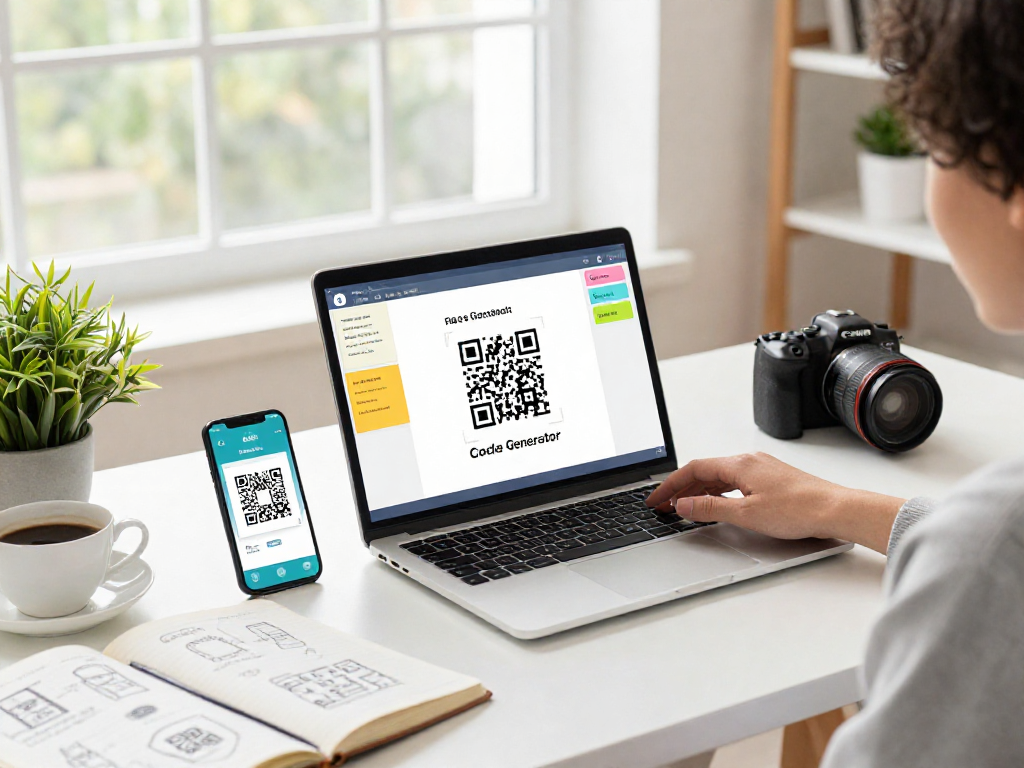
Understanding QR Code Generators
In today’s rapidly changing digital landscape, businesses and individuals are constantly seeking innovative ways to connect with their audiences. One such tool that has gained immense popularity is the QR code generator. This technology allows users to create a scannable code that can link to various digital content, making it easier for users to access information swiftly. When exploring options, QR Code Generator provides comprehensive insights into creating and utilizing QR codes effectively.
What is a QR Code Generator?
A QR code generator is an online tool that allows anyone to create QR codes quickly and efficiently. These codes can store a variety of information, from simple text to complex URLs, making them incredibly versatile for different applications. The technology behind QR codes enables users to encode data into a two-dimensional barcode that can be scanned by smartphones and other devices equipped with cameras.
How QR Code Generators Work
When a user inputs data—such as a URL, text, or other forms of information—into a QR code generator, the tool transforms that information into a series of black squares arranged in a grid format. Each QR code is unique; when scanned, it decodes the information embedded within it, allowing for seamless access to digital content. Many modern QR code generators, like EZQR, also offer additional features such as customization, tracking, and dynamic linking capabilities.
The Evolution of QR Codes
QR codes were first introduced in 1994 by the Japanese company Denso Wave, primarily designed for tracking vehicle parts during the manufacturing process. Over the years, their use has expanded significantly, from advertising to event ticketing and even contact information sharing. As smartphones became ubiquitous, QR codes evolved from a niche tool to a mainstream necessity, especially during the COVID-19 pandemic, where contactless interactions became imperative.
Why Choose EZQR for Your QR Code Needs?
For users looking for a reliable and efficient QR code generator, EZQR stands out due to its user-friendly interface and robust features. The platform not only allows for the creation of standard QR codes but also offers advanced options for those needing more customization and tracking capabilities.
User-Friendly Interface and Features
EZQR is designed with the user in mind, featuring a straightforward interface that requires no technical skills to navigate. Users can easily create a QR code by simply entering the desired link, clicking “Create,” and downloading their customized code. The service supports various formats, ensuring high-resolution, print-ready QR codes suitable for any application.
Benefits of Editable Dynamic QR Codes
One of the standout features of EZQR is the option to create dynamic QR codes. Unlike static QR codes, which cannot be changed once generated, dynamic QR codes allow users to edit the destination URL even after printing. This feature is especially beneficial for businesses that frequently change their offers or promotions, enabling them to maintain campaign flexibility without the need for reprinting materials.
Real-World Applications and Use Cases
The applications for QR codes are virtually limitless. From restaurant menus and business cards to event passes and real estate signage, QR codes serve as a bridge between the physical and digital worlds. For example, a real estate agent might use a QR code on a yard sign linking directly to a virtual tour of a property, enhancing customer engagement and streamlining the information process.
Exploring Static vs. Dynamic QR Codes
Understanding the differences between static and dynamic QR codes is crucial for making informed decisions about when to use each type. Both types have distinct advantages, and knowing how to leverage them can maximize the effectiveness of your QR code strategies.
Key Differences Between Static and Dynamic QR Codes
Static QR codes encode information directly into the QR code itself; once created, they cannot be altered. They remain functional indefinitely as long as the encoded URL is active. In contrast, dynamic QR codes do not store the destination URL in the code itself. Instead, they point to a web address controlled by the QR code generator, allowing users to change the destination URL or track scan data without needing to update the physical code.
When to Use Each Type of QR Code
Static QR codes are ideal for one-time campaigns, such as linking to promotional content that won’t change, like a specific event. On the other hand, dynamic QR codes are perfect for ongoing marketing efforts where updates may be necessary, such as changing a landing page for different promotions or analyzing user engagement through tracking metrics.
Pros and Cons of Static vs. Dynamic QR Codes
The choice between static and dynamic QR codes often boils down to your specific needs:
- Static QR Codes:
- Dynamic QR Codes:
Getting Started with EZQR: Step-by-Step Guide
Creating QR codes with EZQR is a straightforward process that anyone can master. This guide will walk you through the essential steps from creation to customization and tracking.
Create Your First QR Code Effortlessly
To create your first QR code, simply visit the EZQR website. Enter the URL or text you wish to encode into the designated field and click on the “Create QR Code” button. Your QR code will be generated in seconds, ready for download.
Customizing Your QR Code Design
EZQR offers extensive customization options to ensure your QR code aligns with your brand. Users can change colors, incorporate logos at the center, and select styles that match their marketing materials while maintaining scannability. These design elements help enhance brand recognition and user experience.
Tracking and Analyzing QR Code Performance
For those utilizing dynamic QR codes, EZQR provides comprehensive tracking capabilities. Users can access metrics on scan counts, locations, and devices used, giving them valuable insights into customer engagement. This data is crucial for refining marketing strategies and optimizing future campaigns.
Future Trends for QR Code Technology in 2026
As we move further into 2026, the integration of QR codes into our daily lives is expected to expand significantly. Emerging technologies and shifts in consumer behavior will pave the way for innovative applications in various industries.
Emerging QR Code Applications in Various Industries
The healthcare sector is likely to adopt QR codes for patient information management and streamlined access to medical records. In retail, QR codes may become standard for contactless payments and personalized shopping experiences. Additionally, they could play a pivotal role in supply chain transparency, where consumers can trace the origins of products they purchase.
Integrating QR Codes with Digital Marketing Strategies
Marketers are increasingly integrating QR codes into digital strategies, allowing for seamless offline-to-online transitions. For example, a print advertisement may feature a QR code that leads consumers to an exclusive online offer. This multi-channel approach enhances engagement and boosts conversion rates.
Anticipated Innovations in QR Code Generation
Future innovations may include enhanced security features to protect user data, as well as the incorporation of augmented reality (AR) into QR code experiences. By overlaying digital information onto the physical world, QR codes could deliver immersive customer experiences that resonate with modern audiences.