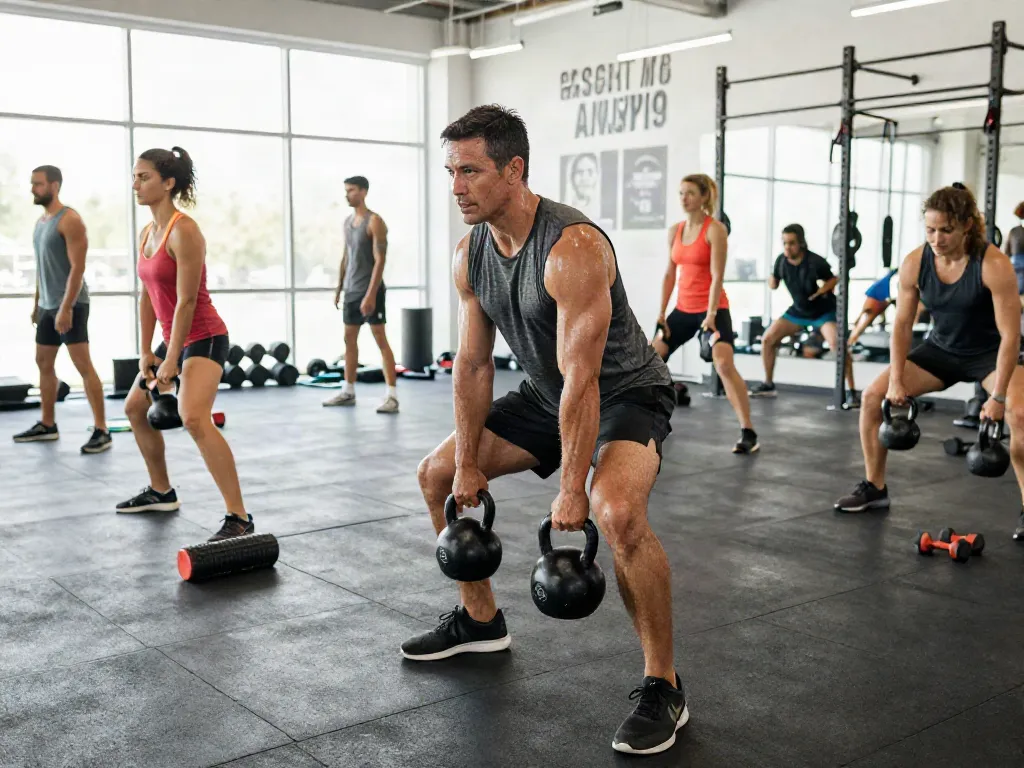
The Rise of Functional Fitness: What You Need to Know
In recent years, functional fitness has emerged as a pivotal trend in the world of physical training, and its significance is only expected to grow in 2026 and beyond. This approach to fitness emphasizes movements that mimic daily activities, promoting overall strength, flexibility, and coordination. As people become increasingly aware of the importance of maintaining physical health and wellness, understanding the core principles of functional fitness becomes essential. The functional fitness paradigm not only enhances performance but also helps reduce injury risks, shaping healthier lifestyles. For those seeking guidance tailored to their fitness journey, Streek offers a wealth of resources that can assist in effectively navigating this landscape.
Understanding Functional Training Concepts
Functional training focuses on exercises that train your muscles to work together, enhancing daily movements. Unlike traditional workouts that isolate muscle groups, functional fitness builds strength that translates into real-life activities. For instance, squats, lunges, and push-ups are staples of functional training, as they imitate the natural movements of sitting, standing, and pushing. The aim is to improve strength, flexibility, and balance.
When engaging in functional training, it is crucial to understand the core concepts:
- Multi-joint movements: Exercises that require the use of multiple joints and muscle groups.
- Core stability: Engaging the core during movements to improve balance and support.
- Movement patterns: Focusing on functional movements like pushing, pulling, and rotating.
Common Misconceptions About Functional Fitness
Myths about functional fitness often hinder individuals from embracing its benefits. One common misconception is that functional training is only for athletes or those in excellent condition. In reality, functional fitness is adaptable and can be tailored to any fitness level, making it accessible for everyone, including beginners and seniors. Another misconception is that functional training is merely a trend; however, its roots lie in rehabilitation and physical therapy, proving its efficacy over decades.
Benefits of Incorporating Functional Training into Your Routine
Integrating functional training into your fitness routine comes with numerous benefits:
- Enhanced daily performance: Improved strength and endurance make everyday activities easier.
- Reduced injury risk: Strengthening the body’s stabilizers can help prevent injuries during sports and daily tasks.
- Improved posture and balance: Functional exercises engage the core and enhance overall body awareness.
- Time-efficient workouts: Functional training often combines multiple movement patterns into a single workout, maximizing time.
Streek Community: Building a Supportive Fitness Network
The fitness journey can often feel isolating, especially for beginners. However, being part of a supportive community can significantly enhance motivation and accountability. Engaging with others who share similar fitness goals can create a positive environment for growth and perseverance
The Importance of Group Workouts
Group workouts are not just about exercising; they foster a sense of camaraderie and partnership that can motivate individuals to push their limits. Working out in a group setting often leads to improved performance, as participants encourage each other to strive for their best. Furthermore, group workouts introduce variety to routines, keeping workouts fresh and engaging.
How to Find Local Fitness Communities
Finding a local fitness community can be accomplished through various avenues. Many gyms and studios offer classes specifically designed for group participation. Additionally, community centers often host fitness events, making it easy to connect with like-minded individuals. Social media platforms can also serve as great tools for discovering local fitness groups and events.
Leveraging Social Media for Motivation and Accountability
Social media can play a crucial role in maintaining fitness motivation. Platforms like Instagram and Facebook allow users to follow fitness influencers, share their progress, and gain inspiration from others. Engaging with fitness communities online can foster accountability, as participants share goals and achievements, further motivating each other to stay on track.
Innovative Fitness Technologies to Enhance Your Workout
As technology continues to evolve, so too does its impact on fitness. The rise of innovative technologies has transformed the way we approach workouts, from tracking our performance to accessing training programs. With the right tools, anyone can optimize their fitness journey.
Wearable Devices: Tracking Progress and Performance
Wearable technology, such as fitness trackers and smartwatches, have revolutionized how individuals monitor their health and fitness. These devices provide real-time data on heart rate, calories burned, and distance traveled, allowing users to adjust their workouts based on performance. Additionally, many wearables offer guided workouts and recovery suggestions, making them ideal for those seeking structured training regimens.
Virtual Classes: The Future of Fitness Training
The pandemic accelerated the acceptance of virtual workouts, which have now become a staple in the fitness industry. Online fitness classes allow individuals to participate from the comfort of their homes, providing flexibility in scheduling and diverse workout options. Platforms like Zoom and fitness apps host live classes led by professional trainers, catering to various fitness levels and interests.
Apps to Optimize Your Fitness Journey
Fitness apps have gained significant traction, providing users with personalized workout plans, nutritional guidance, and tracking features. Many apps, such as MyFitnessPal and Strava, allow users to log their workouts and track their progress, ensuring that they stay accountable. Moreover, certain apps offer community features that connect users, promoting a sense of belonging and motivation.
Nutrition in 2026: Fueling Your Fitness Goals
The role of nutrition in achieving fitness goals cannot be overstated. As we move into 2026, understanding how to fuel our bodies effectively will be paramount for anyone committed to their health journey. Nutrition is not just about what you eat; it’s about how to make informed choices that support your fitness objectives.
Understanding Macronutrients and Their Importance
Macronutrients—proteins, fats, and carbohydrates—are essential components of a balanced diet. Each macronutrient plays a unique role in fueling the body:
- Proteins: Essential for muscle repair and growth.
- Fats: Important for hormone production and energy.
- Carbohydrates: The body's primary energy source.
In 2026, nutrition plans will likely continue emphasizing a balanced intake of these macronutrients tailored to individual fitness goals, such as weight loss, muscle gain, or endurance training.
Meal Prep Strategies for Success
Meal prepping has emerged as a practical strategy for maintaining healthy eating habits. By preparing meals in advance, individuals can ensure they have nutritious options readily available, reducing the temptation to indulge in unhealthy foods. Successful meal prep encompasses planning, shopping, cooking, and storing meals efficiently.
Supplements: What You Should and Shouldn't Take
The supplement market has exploded in recent years, offering countless products that claim to enhance performance. However, the need for supplements varies from person to person. While some individuals may benefit from certain vitamins or protein powders, others may find that a well-rounded diet suffices. Consulting with a healthcare provider or nutritionist can help individuals make informed decisions about supplementation.
Future Trends in Fitness and Wellness
The fitness landscape is continually evolving, with emerging trends that reflect changing societal attitudes towards health and wellness. In 2026 and beyond, staying ahead of these trends can help individuals remain engaged and motivated in their fitness journeys.
Emerging Workout Trends to Watch
As fitness continues to evolve, several trends are emerging that may shape the future of workouts:
- Hybrid training: Combining in-person sessions with virtual workouts.
- Mind-body practices: Integrating yoga and meditation as part of physical training routines.
- Functional group training: Focusing on functional fitness in group settings, enhancing community engagement.
Integrating Mindfulness and Recovery into Fitness Routines
As awareness grows surrounding mental health, integrating mindfulness practices into fitness routines will become increasingly important. Incorporating techniques such as meditation, deep breathing, and yoga can enhance mental clarity and aid in recovery, allowing individuals to perform better in their workouts.
Expert Insights on Fitness Evolution Over the Next Decade
Industry experts predict that fitness will continue to prioritize personalization and accessibility. The evolution of fitness technology will enable tailored workouts and nutrition plans that meet individual needs, ensuring that everyone can find a fitness routine that suits their lifestyle and preferences.
What is the best way to get started with fitness?
Starting a fitness journey can feel overwhelming. The key is to set realistic goals, begin with manageable workouts, and gradually increase intensity as your strength and confidence grow.
How does the Streek app enhance running performance?
The Streek app offers a variety of training plans tailored to different running levels, making it an excellent tool for runners looking to improve their performance.
What are the key elements of functional fitness?
The key elements of functional fitness include multi-joint movements, core stability, and movement patterns that reflect daily activities.
How can I connect with local fitness communities?
Engaging with local fitness communities can be achieved through classes at gyms, community centers, and social media platforms dedicated to fitness.
What nutritional guidelines should I follow in 2026?
In 2026, focusing on a balanced diet rich in macronutrients and engaging in meal prep will support your fitness goals effectively.