
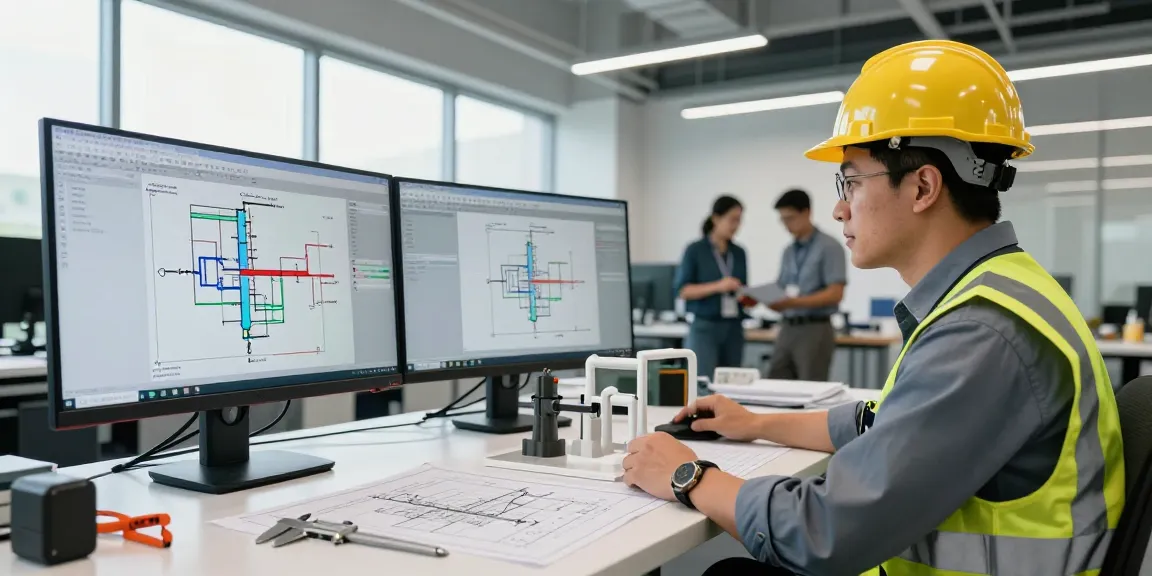
Understanding the Basics of Piping Stress Analysis
Piping stress analysis is an essential discipline within engineering consultancy that ensures the safety and reliability of piping systems in various industries. It involves evaluating how piping systems respond to thermal, mechanical, and environmental stresses, allowing engineers to design systems that meet rigorous operational and safety standards. As the demand for robust engineering solutions grows, especially in the USA and Canada, the significance of Piping Stress Analysis USA cannot be overstated.
What is Piping Stress Analysis?
Piping stress analysis is a systematic approach to determining the effects of loads and other external factors on piping systems. It assesses how temperature changes, pressure fluctuations, and physical forces affect pipes, joints, and supports. By conducting this analysis, engineers can identify potential failure points and ensure that the system adheres to safety codes and regulatory requirements.
Importance of Piping Stress Analysis in Engineering
The importance of piping stress analysis lies in its ability to prevent failures that can lead to catastrophic incidents. In industries such as oil and gas, chemicals, and pharmaceuticals, even minor defects in piping can result in severe consequences, including safety hazards, environmental damage, and financial losses. By employing effective stress analysis, engineers can enhance system integrity and efficiency.
Key Principles of Stress Analysis
- Load Types: Analyze static loads (weight and pressure) and dynamic loads (vibrations and seismic forces) that affect piping systems.
- Material Properties: Understand how different materials behave under stress, including factors like yield strength and thermal expansion coefficients.
- Support Design: Evaluate the placement and design of support systems to ensure stability and distribute loads effectively.
Challenges in Piping Stress Analysis for Engineers
Despite its critical role, engineers face significant challenges when conducting piping stress analysis. These challenges can stem from misunderstandings about the analysis process, technical limitations of software tools, and environmental factors that complicate assessments.
Common Misconceptions About Piping Stress Analysis
One of the prevalent misconceptions is that stress analysis is only necessary for complex systems. In reality, even simple piping systems can benefit from a thorough analysis. It is essential for all projects to ensure compliance and safety.
Technical Challenges and Limitations
Engineers often encounter limitations in software tools used for stress analysis. While advanced software can simulate many factors, it may not account for every variable, leading to inaccurate results. As a result, skilled interpretation of data is crucial to ensure that the analysis yields actionable insights.
Environmental Factors Affecting Analysis
Piping systems are frequently exposed to harsh environmental conditions, such as extreme temperatures, corrosive substances, or seismic activities. Analyzing how these factors interact with the piping materials is essential for developing designs that withstand real-world conditions.
Best Practices for Effective Piping Stress Analysis USA
To ensure the integrity of piping systems, engineers must follow best practices in piping stress analysis. These practices enhance the quality and reliability of their analyses, ultimately leading to safer engineering solutions.
Utilizing Advanced Software Tools
Employing advanced software tools like CAESAR II and AutoPIPE is critical for conducting accurate stress analyses. These tools allow engineers to simulate various conditions and predict how the piping system will react under different stressors.
Implementing Comprehensive Testing Procedures
Incorporating rigorous testing procedures, such as finite element analysis (FEA), can provide deeper insights into stress distribution and potential failure points. By validating simulations with physical tests, engineers can increase confidence in their designs.
Collaboration and Communication in Engineering Teams
Effective communication among team members is essential in the stress analysis process. Collaboration allows for the sharing of insights and expertise, which can lead to more thorough and accurate analyses. Engaging multidisciplinary teams can also be beneficial in understanding complex interactions between various engineering disciplines.
Real-World Applications of Piping Stress Analysis
Piping stress analysis is not just theoretical; it has practical applications across multiple industries. Understanding these applications can illuminate the value of this engineering discipline.
Case Studies in Various Industries
For instance, in the oil and gas sector, piping stress analysis has been crucial in designing systems that transport hydrocarbons. A case study involving a major pipeline project highlighted how comprehensive stress analysis prevented potential failures, saving millions in repair costs and potential clean-up operations.
Innovations and Technological Advances in the Field
Technological advances such as machine learning and AI are beginning to influence piping stress analysis. These innovations allow for predictive analysis and can identify stress patterns that manual methods might overlook.
Impact of Piping Stress Analysis on Project Outcomes
The proactive nature of piping stress analysis can significantly reduce project risks. Projects that integrate thorough stress analysis often experience fewer delays and lower costs due to fewer design and operational failures.
Future Trends in Piping Stress Analysis by 2026
As the engineering landscape evolves, so too will the methodologies employed in piping stress analysis. Staying ahead of these trends is vital for engineers.
Emerging Technologies Shaping the Industry
The integration of IoT devices for real-time monitoring of piping systems is one emerging trend. These devices can provide continuous data on pressure and temperature, allowing engineers to make informed adjustments and predict maintenance needs.
Predictive Analysis and Artificial Intelligence
AI and machine learning technologies are set to revolutionize piping stress analysis by enabling predictive analysis capabilities. This means engineers could foresee potential issues and apply preventative measures before failures occur.
Preparing for Regulatory Changes and Sustainability
As regulations evolve, so must engineering practices. Engineers should prepare for stricter environmental standards and integrate sustainability into their designs. This includes considering the lifecycle impacts of materials and systems.
What are the key benefits of Piping Stress Analysis?
- Prevention of failures and disasters
- Improved safety and compliance with regulations
- Enhanced efficiency and cost savings in design and operations
How can engineers improve their techniques in Piping Stress Analysis?
Continued education and training in the latest software and analytical techniques are crucial for engineers. Participating in industry conferences and workshops can enhance knowledge and skills.
What industries benefit most from Piping Stress Analysis?
Industries including oil and gas, pharmaceuticals, chemicals, and food and beverage manufacturing significantly benefit from piping stress analysis due to the complex nature of their systems and the high stakes involved.
What software is widely used for Piping Stress Analysis?
Leading software tools such as CAESAR II, AutoPIPE, and ANSYS are widely used in the industry for conducting comprehensive piping stress analyses.
What recent innovations have impacted Piping Stress Analysis?
Recent innovations, particularly in AI and data analytics, have allowed for more accurate predictive analyses in piping systems, making it easier to identify issues before they escalate.