The Importance of Choosing Metal Roofing
In recent years, homeowners in Canada have increasingly turned to metal roofing as a viable alternative to traditional roofing materials. This trend can largely be attributed to the unique advantages that metal roofs offer, including durability, energy efficiency, and aesthetic appeal. Additionally, companies like mroof.ca provide tailored solutions that cater to the specific needs of the Ontario climate, making metal roofing an ideal choice for homeowners looking to invest in long-term protection for their properties.
Why Opt for Metal Roofing over Traditional Materials?
When considering roofing options, one may wonder why metal should be the preferred choice. Traditional materials such as asphalt shingles may be cheaper initially, but they often come with limitations. Metal roofing, on the other hand, is designed to withstand extreme weather conditions, resist corrosion, and typically lasts two to three times longer than shingles. Furthermore, it offers a wide range of designs and colors, ensuring that homeowners can achieve the aesthetic they desire without sacrificing functionality.
Durability and Longevity of Metal Roofing
One of the standout features of metal roofing is its durability. Metal roofs can last upwards of 50 years, significantly outpacing other materials. They are resistant to fire, wind, and snow, which is crucial for homeowners in regions like Southern Ontario where these elements can be severe. Moreover, metal roofing is less prone to cracking, warping, or fading, ensuring that your investment remains visually appealing and structurally sound for decades.
Cost-Effectiveness Over Time
While the initial installation cost of metal roofing can be higher than traditional options, the long-term savings it offers can make it a more cost-effective solution. Metal roofs typically require less maintenance and are more energy-efficient, providing savings on heating and cooling costs. The lifespan of a metal roof, combined with these factors, means homeowners can enjoy a significant return on investment over time.
Understanding the Types of Metal Roofing
Metal roofing is not a one-size-fits-all solution; it comes in various types, each suitable for different applications and tastes. Understanding these options can help homeowners choose the right roofing system for their needs.
Common Materials Used in Metal Roofing
The most common materials used in metal roofing include steel, aluminum, copper, and zinc. Steel is the most widely used due to its strength and affordability. Aluminum is lightweight and resistant to corrosion, making it an excellent option for coastal areas. Copper, while more expensive, adds a unique aesthetic appeal and exceptional durability. Zinc is known for its longevity and ability to self-heal from scratches, which enhances its lifespan.
Comparing Different Metal Roofing Styles
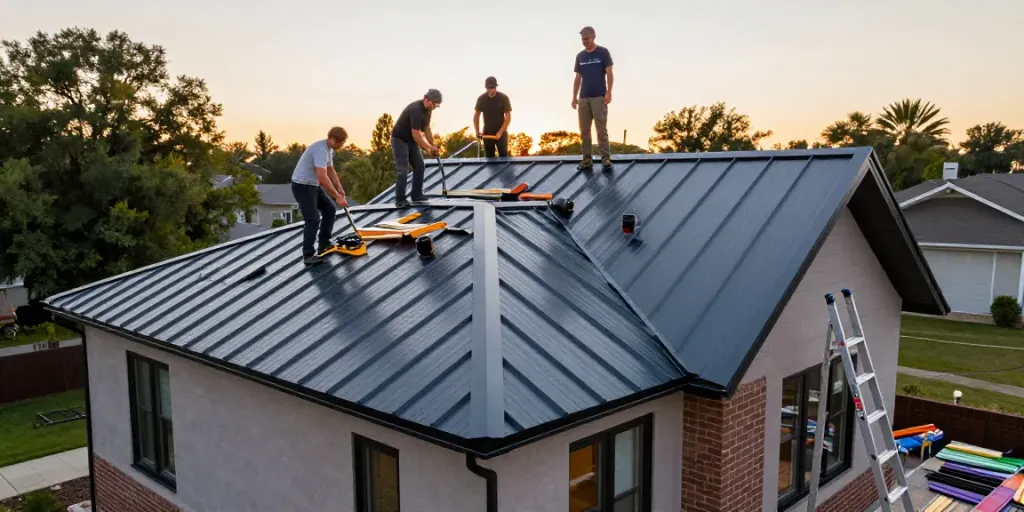
Metal roofing comes in various styles, including standing seam, corrugated, and shingles. Standing seam roofs are characterized by their vertical panels, providing a sleek and modern appearance. Corrugated metal roofs, often seen in industrial settings, offer a rustic charm and are highly durable. Metal shingles are designed to mimic traditional roofing styles while providing the advantages of metal.
Choosing the Right Color and Finish
Selecting the right color and finish for your metal roof is essential not only for aesthetics but also for energy efficiency. Lighter colors reflect sunlight, reducing heat absorption and keeping your home cooler. Popular finishes like Kynar or Hylar offer superior durability and resistance to fading. Homeowners should consider their local climate and surroundings when making their choices to ensure optimal performance and curb appeal.
Installation Best Practices for Metal Roofing
Proper installation is crucial for maximizing the benefits of metal roofing. Whether you choose to undertake a DIY installation or hire professionals, it is vital to ensure that the job is done right.
Preparing Your Home for Metal Roofing Installation
Preparation for metal roofing installation involves several key steps. First, it’s important to assess the existing roofing structure to ensure it can support the weight of the new metal roof. Proper ventilation must also be considered to avoid moisture build-up. If the roof is being installed over existing shingles, a thorough inspection should be conducted to ensure that there are no underlying issues that could affect the integrity of the new roof.
Steps for Proper Installation
The installation process typically includes measuring and cutting the metal panels to fit your roof’s dimensions, properly securing them with fasteners, and ensuring that all seams are tightly sealed to prevent leaks. It's essential to work from the top down, overlapping the panels as you go, and to follow manufacturer guidelines for specific installation techniques.
Safety Tips for DIY vs. Professional Installation
For DIY enthusiasts, safety should always be a priority. Invest in quality safety gear, including harnesses, gloves, and non-slip shoes. It’s also advisable to have a second person for assistance when working on roofs. For those opting for professional installation, ensure that the contractors are licensed and experienced in metal roofing to avoid potential pitfalls.
Maintenance Tips for Metal Roofing
Although metal roofs require less maintenance than their traditional counterparts, regular upkeep is still essential to ensure their longevity and performance.
Regular Inspection and Cleaning Guidelines
Homeowners should inspect their metal roofs at least twice a year, checking for signs of damage, rust, or loose fasteners. Cleaning the roof regularly by removing debris, leaves, and dirt helps prevent corrosion and mold growth. A gentle wash with a mild detergent and water can keep the roof looking new without damaging the finish.
Identifying and Repairing Common Issues
Common issues with metal roofs include rust spots and loose seams. Rust can be treated with rust-inhibiting primer and a matching paint. Loose seams should be resealed to prevent leaks, and any structural damage should be addressed immediately to avoid more significant problems down the line.
Seasonal Maintenance Practices
During the fall, it’s especially important to clear off leaves and debris that can trap moisture against the roof. In winter, it's crucial to monitor for ice dams that can create pressure points and lead to leaks. Spring is a great time to perform a thorough inspection after the harsh winter months.
Future Trends in Metal Roofing for 2026 and Beyond
The metal roofing industry is evolving, with new materials and technologies emerging that will shape the future of roofing.
Innovative Technologies in Metal Roofing
As technology advances, homeowners can expect to see innovative roofing materials that enhance durability and energy efficiency. Smart roofing systems equipped with sensors can monitor the roof's condition, detect leaks, and optimize energy use, making maintenance easier for homeowners.
Eco-Friendly and Sustainable Options
With a growing focus on sustainability, eco-friendly metal roofing options are becoming more popular. These include roofs made from recycled materials or those coated with reflective finishes to reduce heat absorption. Some companies are already offering products that come from sustainable manufacturing processes, appealing to environmentally conscious consumers.
Predicted Industry Changes
As the demand for energy-efficient and durable roofing solutions continues to rise, metal roofing is expected to dominate the market. The integration of sustainable practices and advanced technologies will make metal roofs more attractive to a broader range of homeowners.