Understanding the Importance of Closet Organizing in Ottawa
Organizing your closet is more than just tidying up; it’s about creating a functional space that enhances your lifestyle. In a bustling city like Ottawa, where residents often juggle busy schedules, an organized closet can contribute to a more efficient daily routine. With the right strategies and tools, you can transform chaos into clarity, turning your closet into a streamlined sanctuary. Whether you are looking to make room for seasonal clothing, maximize storage, or simply declutter, the practice of closet organizing ottawa can significantly improve your living environment.
What is Closet Organizing?
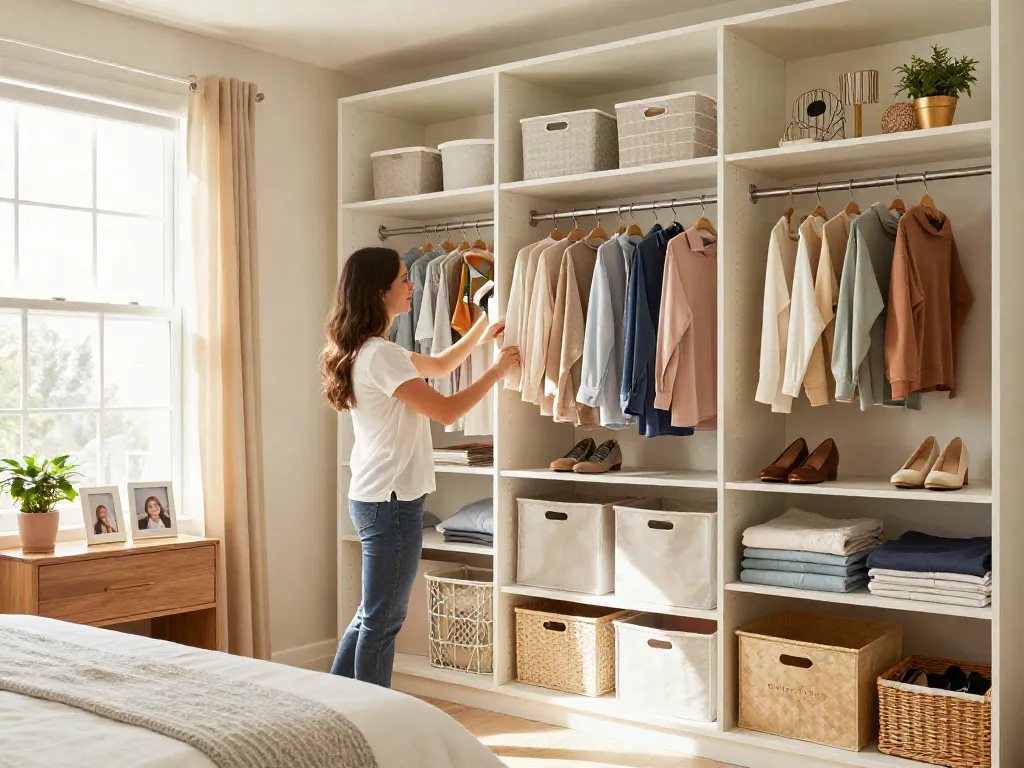
Closet organizing refers to the systematic arrangement of items in a closet to maximize space and accessibility. This involves evaluating what items to keep, donating or discarding unnecessary items, and efficiently using storage solutions to ensure everything has a designated place. Techniques can range from simple sorting and shelving adjustments to the installation of custom storage systems tailored to individual needs. The goal is to create a visually appealing and functional space that meets the user's requirements.
The Benefits of Closet Organizing Ottawa
There are numerous advantages to organizing your closet in Ottawa:
- Time-Saving: An organized closet allows you to find what you need quickly, which is especially beneficial if you have a busy lifestyle or family obligations.
- Space Optimization: Efficient use of space can free up room for additional items or even improve the aesthetic appeal of your home.
- Reduced Stress: A clutter-free environment contributes to lower anxiety levels and a more peaceful mindset.
- Increased Home Value: Well-organized spaces can make your home more attractive to potential buyers if you decide to sell in the future.
Common Myths About Closet Organization
Despite its many benefits, there are several misconceptions surrounding closet organization:
- Myth 1: Only messy people need closet organization.
- Myth 2: Organizing is a one-time event rather than an ongoing process.
- Myth 3: You must spend a lot of money on organizers to achieve a tidy closet.
Addressing these myths can empower individuals to view closet organization as a beneficial and achievable goal rather than a daunting task.
Assessing Your Storage Needs
Evaluating Your Current Closet Space
Before diving into the organization process, it's crucial to evaluate your current closet space. Consider the following:
- What is the size of your closet?
- What types of items do you store (clothing, shoes, accessories, etc.)?
- How often do you use these items?
By understanding your space and its limitations, you can make informed decisions about the types of organizing systems that will work best for your needs.
Identifying What to Keep and What to Discard
The next step is to sort through your items. A useful approach is the 'Four-Box Method' where you categorize items into:
- Keep: Items you regularly use.
- Donate: Items in good condition that you no longer need.
- Trash: Damaged or worn-out items that cannot be salvaged.
- Storage: Seasonal or seldom-used items.
This method ensures that you have a clear understanding of what you truly value and what is simply taking up space.
Budgeting for Organization Solutions
Once you know what to keep and what to discard, assess your budget for organization solutions. Options range from DIY projects to hiring professional organizers. It's vital to create a realistic budget that considers:
- Storage solutions (shelves, bins, hangers)
- Potential costs of hiring a professional organizer
- Materials for DIY projects
Investing in the right solutions can lead to long-term benefits and a more organized living space.
Choosing the Right Organizing Systems
Types of Organizers for Your Closet
Several organizing systems can enhance the efficiency of your closet space:
- Shelving Units: Ideal for maximizing vertical space and keeping items visible.
- Baskets and Bins: Useful for grouping similar items together.
- Hanging Organizers: Perfect for accessories or shoes that can be easily lost in a jumble.
- Drawer Systems: Great for keeping small items tidy and accessible.
How to Select the Best Materials and Accessories
When selecting materials and accessories, consider the following:
- Durability: Ensure that the materials can withstand regular use.
- Aesthetics: Choose colors and styles that match your home decor.
- Functionality: Select organizers that fit your specific needs, whether they are for clothing, shoes, or accessories.
Custom Solutions vs. Pre-Made Systems
Homeowners often grapple with whether to opt for custom solutions or pre-made systems. Custom systems can be tailored specifically to your closet's dimensions and your organization style, but they may come at a higher price. Pre-made systems are typically more budget-friendly and can be easily found in stores; however, they may require creative installation to fit your unique space. Weighing these options against your needs and budget is crucial for achieving the best outcome.
Step-by-Step Closet Organizing Process
Preparation and Planning Your Organization Project
Preparation is key when embarking on a closet organization project. Begin by designating a specific day or weekend to tackle the task. Gather all necessary supplies, including boxes for sorting, cleaning products, and any storage solutions you've decided to implement. Having a clear plan will help streamline the process and set realistic expectations.
Executing the Organizing Process Effectively
As you dive into organizing, follow a systematic approach:
- Start by emptying the closet completely to assess its layout and make cleaning easier.
- Sort items into the previously mentioned categories.
- Clean the closet space thoroughly before placing items back in.
- Implement your chosen organizing systems, customizing where necessary.
This methodical execution ensures that you won't miss any details and creates a more efficient workflow.
Maintaining Your Organized Space Over Time
Once your closet is organized, maintaining its order is crucial. Consider the following tips for long-term success:
- Regular Decluttering: Set a schedule to review your closet, ensuring outdated or unused items are removed.
- Adopt the One-In-One-Out Rule: For every new item you bring in, consider donating or discarding one to keep clutter at bay.
- Stay Consistent: Make a habit of returning items to their designated spots after use.
Consistency is key to preserving your organized space and minimizing future clutter.
Future Trends in Closet Organization
Innovations in Storage Solutions for 2026
The world of closet organization is continually evolving, with new innovations emerging every year. As we move toward 2026, expect to see:
- Space-Saving Technologies: Smart shelving units that automatically adjust or expand based on need.
- Modular Systems: Customizable units that can adapt as your needs change.
- Eco-Friendly Materials: A rise in sustainable storage options made from recycled or environmentally friendly materials.
Sustainable Organizing Practices and Materials
As the focus on sustainability increases, many homeowners are adopting eco-friendly practices in their organizing efforts. Consider using repurposed materials or donating items to local charities instead of discarding them. Companies are also becoming more aware of their environmental impact, leading to a broader range of sustainable organizing products.
How Technology is Changing Closet Organization
The integration of technology into closet organization is a trend that continues to grow. Smart home devices can help manage inventory, reminding users of which items they own and suggesting outfits. Additionally, augmented reality apps are emerging that allow users to visualize how different organizing solutions will look in their space before making any purchases.
What are the key elements in closet organizing?
Key elements include a thorough evaluation of space, careful sorting of items, the use of effective organizers, and a commitment to maintaining order.
How can I maintain my organized closet long term?
Adopting regular decluttering practices, being mindful of new purchases, and ensuring items are returned to their designated places are essential for long-term maintenance.
What are the benefits of hiring a professional organizer?
A professional organizer can provide expertise, save time, and offer personalized solutions tailored to your specific needs, making the process smoother and more efficient.
What storage options are most effective for small closets?
Utilizing vertical space with shelving, investing in multi-functional furniture, and using storage bins can significantly enhance small closet efficiency.
How to keep a clutter-free closet?
By implementing regular sorting, maintaining organization systems, and being intentional with purchases, you can keep your closet clutter-free year-round.