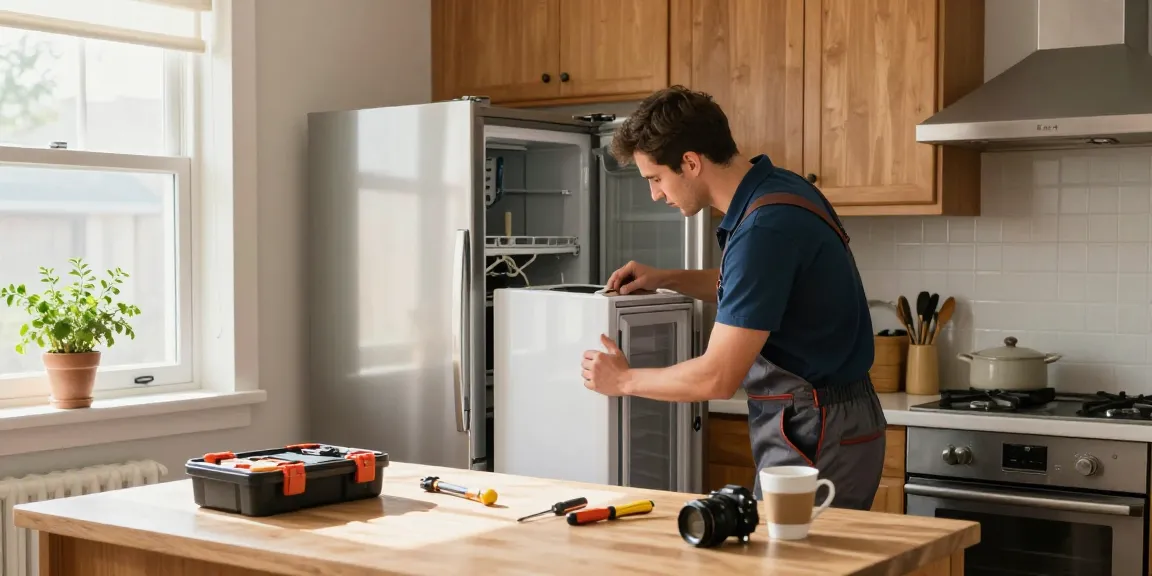
Understanding Appliance Repair Basics
Appliances play a crucial role in our daily lives, making tasks like cooking, cleaning, and food preservation more efficient. However, just like any other technology, these appliances can encounter issues that require attention. Understanding the fundamentals of appliance repair is essential for homeowners to maintain functionality and extend the life of their devices. This article delves into what appliance repair entails, its benefits, and best practices for ensuring your appliances remain in top shape.
What is Appliance Repair?
Appliance repair refers to the process of diagnosing and fixing issues with household appliances. This can range from minor repairs, such as replacing a broken door seal on a refrigerator, to more complex problems, like addressing electrical failures in washers and dryers. Skilled technicians utilize a combination of technical knowledge, diagnostic tools, and hands-on experience to restore appliances to their optimal function.
Common Types of Appliances Repaired
Household appliances that commonly require repair include:
- Refrigerators
- Washing machines
- Dryers
- Ovens and stoves
- Dishwashers
- Microwaves
- Air conditioners
- Water heaters
Each type of appliance has its unique set of components and potential issues, making specialized knowledge crucial for effective repair.
How Does Appliance Repair Benefit Homeowners?
Investing in appliance repair can significantly benefit homeowners by:
- Saving Money: Repairing rather than replacing appliances can lead to substantial savings.
- Extending Appliance Lifespan: Regular repairs and maintenance can prolong the life of your appliances.
- Improving Efficiency: Well-maintained appliances operate more efficiently, leading to lower energy bills.
- Preventing Future Issues: Addressing small problems can prevent larger issues from developing.
When exploring options, appliance repair provides comprehensive insights into the most effective solutions.
Identifying Common Appliance Issues
Signs Your Appliance Needs Repair
Recognizing when an appliance needs repair is vital for preventing further damage. Common signs include:
- Unusual noises during operation
- Inconsistent or lack of cooling in refrigerators
- Water leaks
- Poor performance (e.g., clothes not getting clean)
- Odors emanating from appliances
Being proactive in addressing these symptoms can save homeowners time and money in the long run.
Common Misconceptions About Appliance Repair
Several misconceptions hinder homeowners from seeking timely repairs:
- Repairs are Always Expensive: While some repairs can be costly, many issues are affordable to fix.
- DIY Repairs are Always Better: Not all repairs are suitable for DIY attempts; professional help is often needed for safety and effectiveness.
- Old Appliances Cannot be Fixed: Many older models can be repaired and maintained, extending their usability.
When to Consider DIY vs. Professional Help
Deciding whether to attempt a repair yourself or to hire a professional can be challenging. Consider the following:
- DIY: Ideal for simple fixes, such as replacing filters or unclogging drains.
- Professional Help: Best for complicated issues involving electrical systems or when safety is a concern.
Best Practices for Appliance Maintenance
Routine Maintenance Tips for Longevity
Proper maintenance can enhance the longevity and performance of appliances. Here are some routine maintenance tips:
- Clean filters and coils regularly.
- Inspect hoses for leaks or wear.
- Ensure proper ventilation for appliances like dryers and refrigerators.
- Schedule professional inspections as needed.
How to Clean and Care for Major Appliances
Each appliance type requires specific care strategies:
- Refrigerators: Clean the interior and exterior regularly, keeping the coils dust-free.
- Washing Machines: Use a washing machine cleaner occasionally to prevent buildup.
- Ovens: Clean spills immediately and use the self-cleaning function carefully.
Energy Efficiency: An Important Consideration
Maintaining energy efficiency is crucial for cost savings and environmental impact. Homeowners can:
- Invest in Energy Star-rated appliances.
- Schedule regular maintenance checks to ensure appliances run efficiently.
- Replace old appliances with newer, more efficient models when necessary.
Choosing the Right Appliance Repair Service
Key Factors to Evaluate in a Repair Service
When choosing an appliance repair service, consider the following:
- Experience and Training: Look for certified technicians with ample experience.
- Service Availability: Ensure the service offers flexible scheduling options.
- Warranty on Repairs: A reputable service should guarantee their work.
How to Find Reliable Technicians
To find trustworthy technicians, you can:
- Ask for recommendations from friends or family.
- Research reviews and ratings on local services.
- Check credentials and licensing of the technicians.
Understanding Warranty and Service Agreements
Familiarizing yourself with warranty terms can protect you from unexpected costs. Check the following:
- Duration and coverage of the warranty.
- Exclusions or limitations on certain parts or labor.
- Conditions under which the warranty remains valid.
Future Trends in Appliance Repair
Emerging Technologies in Appliance Repair
The appliance repair industry is continuously evolving. Some emerging technologies include:
- Smart Diagnostic Tools: These tools can identify issues more swiftly, often through app interfaces.
- Remote Monitoring: Appliances with connectivity can alert technicians about potential problems before they escalate.
Predictions for the Appliance Repair Industry in 2026
By 2026, the appliance repair industry is expected to see significant advancements, including:
- Increased reliance on AI for diagnostics and repairs.
- More sustainable practices in repairs and parts sourcing.
- Higher demand for technicians experienced in smart appliance repair.
How Smart Appliances Will Change Repair Approaches
Smart appliances will revolutionize repair approaches by:
- Allowing for proactive maintenance notifications.
- Enabling remote troubleshooting for technicians.
- Providing valuable data on appliance performance to enhance repair strategies.
What Are the Risks of Ignoring Repair Needs?
Neglecting appliance repairs can lead to:
- Increased energy consumption.
- More severe, costly damage.
- Safety hazards, such as electrical fires or water leaks.
How Can Regular Repairs Save Money Over Time?
Regular maintenance and timely repairs can lead to significant savings by:. Additionally, appliance repair Aurora provides further details.
- Reducing the likelihood of emergency repairs.
- Preventing the need for premature replacements.
- Optimizing energy efficiency to lower utility costs.