Understanding Mold and Its Risks in Vancouver Homes
Mold is a pervasive problem that can significantly impact the health and safety of residential and commercial properties, especially in regions like Vancouver where the climate is particularly humid and conducive to growth. Understanding the nature of mold, its risks, and the importance of professional remediation is essential for homeowners and business owners alike. Proper intervention is paramount to ensure the safety and comfort of your living or working environment. When exploring options, Mold Remediation Vancouver provides comprehensive insights and effective solutions for mold-related issues.
What Is Mold and Why Does It Thrive?
Mold is a type of fungus that plays a critical role in nature by breaking down organic matter. However, when it establishes itself in indoor environments, it can create numerous problems. Mold spores are ubiquitous in the air, and they can settle on surfaces in your home where moisture is present. This moisture can come from various sources, including leaks, condensation, or high humidity levels.
There are several types of mold, but common varieties found in homes include:
- Aspergillus: Often found in homes, this mold can cause respiratory issues.
- Cladosporium: This mold is typically black or green and can thrive on damp walls.
- Stachybotrys chartarum (Black Mold): Known for its toxic qualities and adverse health effects.
Common Health Issues Linked to Mold Exposure
Exposure to mold can lead to a variety of health problems, particularly for individuals with respiratory conditions, allergies, or weakened immune systems. Some of the most prevalent health issues associated with mold exposure include:
- Allergic reactions, including sneezing and skin rashes.
- Respiratory problems, such as asthma and bronchitis.
- Sinus infections and nasal congestion.
- Headaches and fatigue.
- In severe cases, exposure to certain mold types can lead to neurological disorders.
Why Vancouver's Climate Favors Mold Growth
Vancouver's coastal climate, characterized by high humidity levels and significant rainfall, creates a perfect breeding ground for mold. The region's older homes, often with inadequate ventilation and insulation, further exacerbate the problem. Properties that experience water damage or leaks can quickly develop mold colonies if not addressed promptly.
It's essential for residents to be vigilant about moisture control and to seek professional assistance if they suspect mold growth in their homes.
The Importance of Professional Mold Remediation
When it comes to resolving mold issues, professional remediation is far more effective than DIY solutions. Certified professionals possess the expertise and equipment necessary to accurately assess and remediate mold problems.
What Does Certified Mold Remediation Involve?
Certified mold remediation involves several essential steps to ensure the safe and effective removal of mold from a property:
- Initial Assessment: Technicians conduct a thorough inspection to identify areas affected by mold.
- Mold Testing: Samples may be taken to assess the type and concentration of mold.
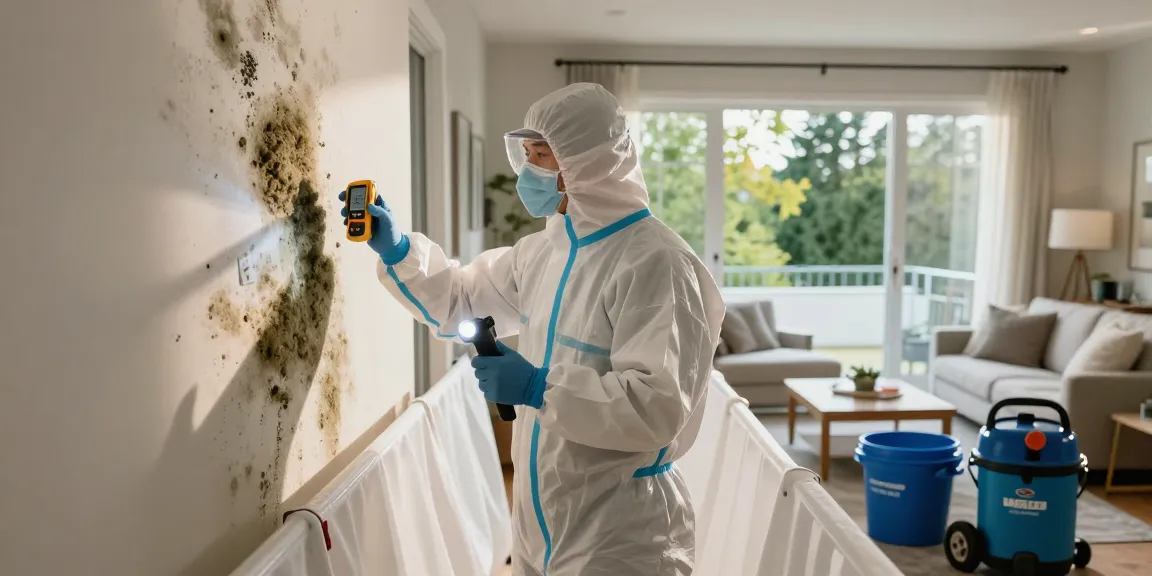
- Containment: Affected areas are sealed off to prevent mold spores from spreading during removal.
- Removal: Contaminated materials are removed and disposed of safely.
- Cleaning and Disinfection: Surfaces are cleaned and treated with antimicrobial agents.
- Restoration: Repairs and restoration work is completed to return the property to its pre-mold condition.
Benefits of Using IICRC Certified Technicians
Hiring IICRC-certified technicians guarantees that the remediation process adheres to industry standards. These professionals are trained in the latest mold remediation techniques and safety practices, ensuring a comprehensive approach to eradication. Their training covers not only mold removal but also how to prevent future growth by addressing moisture issues.
How Proper Documentation Supports Insurance Claims
Professional mold remediation services provide detailed documentation of the remediation process, which is crucial for insurance claims. This documentation typically includes:
- Initial assessment reports
- Photos of affected areas before and after remediation
- List of materials removed and treated
- Recommendations for future prevention
Having thorough documentation not only facilitates the claims process but also offers peace of mind for property owners.
Identifying Mold Issues in Your Home
Recognizing mold issues early can prevent extensive damage and health repercussions. Here are some helpful strategies for identifying potential mold problems in your home.
Signs You Need Mold Remediation Services
Look out for the following signs that indicate the presence of mold in your property:
- A musty or foul smell.
- Visible mold growth on surfaces.
- Water stains or discoloration on walls and ceilings.
- Frequent allergic reactions or respiratory issues among residents.
- Increased humidity and condensation on windows or walls.
Common Areas Where Mold Hides in Homes
Mold can thrive in various hidden spaces, making it difficult to detect without a thorough inspection. Common areas include:
- Behind drywall
- Under carpets and rugs
- Inside HVAC ducts
- In basements and crawlspaces
- Near window frames and sills
DIY vs. Professional Mold Inspection
While homeowners may attempt DIY inspections, professional assessments are typically more reliable. Experts use advanced tools such as moisture meters and thermal imaging to detect hidden mold and moisture sources that the average person might overlook.
The Mold Remediation Process Explained
Understanding the steps involved in mold remediation can help homeowners feel more empowered when addressing mold issues in their properties.
Step-by-Step Overview of the Remediation Procedure
The mold remediation process generally follows these steps:
- Inspection and moisture mapping to identify the extent of mold growth.
- Establishing containment to prevent the spread of spores.
- Removing contaminated materials safely.
- Cleaning and sanitizing affected areas.
- Implementing moisture control solutions and repairs.
Importance of Containment and Air Filtration
Effective containment and air filtration are critical components of the mold remediation process. Containment prevents spores from spreading to unaffected areas, while HEPA air filtration systems capture airborne particles, enhancing indoor air quality during and after remediation.
Post-Remediation Safety Measures and Inspections
After the remediation process, it is vital to conduct follow-up inspections to ensure that mold has been successfully eliminated and that moisture control measures are in place. Regular monitoring can help prevent future mold problems.
Preventing Mold Growth After Remediation
Once remediation is complete, homeowners should take proactive steps to maintain a mold-free environment.
Long-Term Moisture Control Solutions for Vancouver Homes
Implementing effective moisture control measures is essential to prevent mold growth. Some strategies include:
- Ensuring proper ventilation in high-humidity areas such as bathrooms and kitchens.
- Using dehumidifiers in basements and other damp areas.
- Fixing leaks promptly to prevent water accumulation.
- Installing vapor barriers in crawlspaces to keep moisture at bay.
- Regularly inspecting roofs and gutters for blockages or potential leaks.
Best Practices for Homeowners to Avoid Future Mold
In addition to moisture control, homeowners can adopt several best practices to mitigate the risk of mold:
- Regular cleaning and maintenance of HVAC systems.
- Using mold-resistant products in high-risk areas.
- Monitoring indoor humidity levels to keep them below 60%.
- Encouraging air flow inside the home by moving furniture away from walls.
FAQs About Mold Remediation and Maintenance
Here are some frequently asked questions regarding mold remediation:
- How can homeowners maintain indoor air quality? Regular air filter changes, adequate ventilation, and humidity control can significantly improve indoor air quality.
- What to do if mold returns after remediation? If mold reappears, it is important to contact professionals immediately to assess the situation and address any underlying moisture issues.